Listen and assess
Talk through your concerns and goals, then have your teeth and spacing assessed. Imaging may be recommended when clinically appropriate.

When there are spaces or gaps between your teeth—often called diastema—it can affect your bite, oral health, or confidence. Understanding what causes spacing is the first step toward finding the right care for you.
Every smile is different. A dental professional can assess your spacing and discuss suitable options.
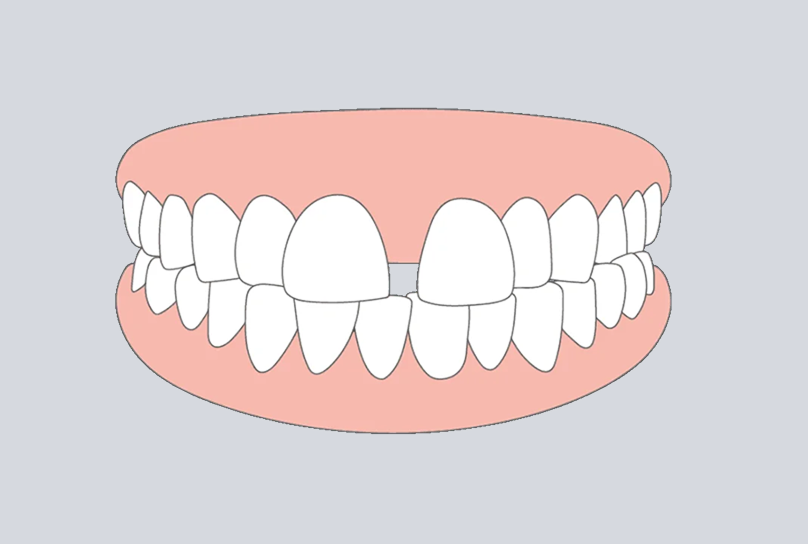
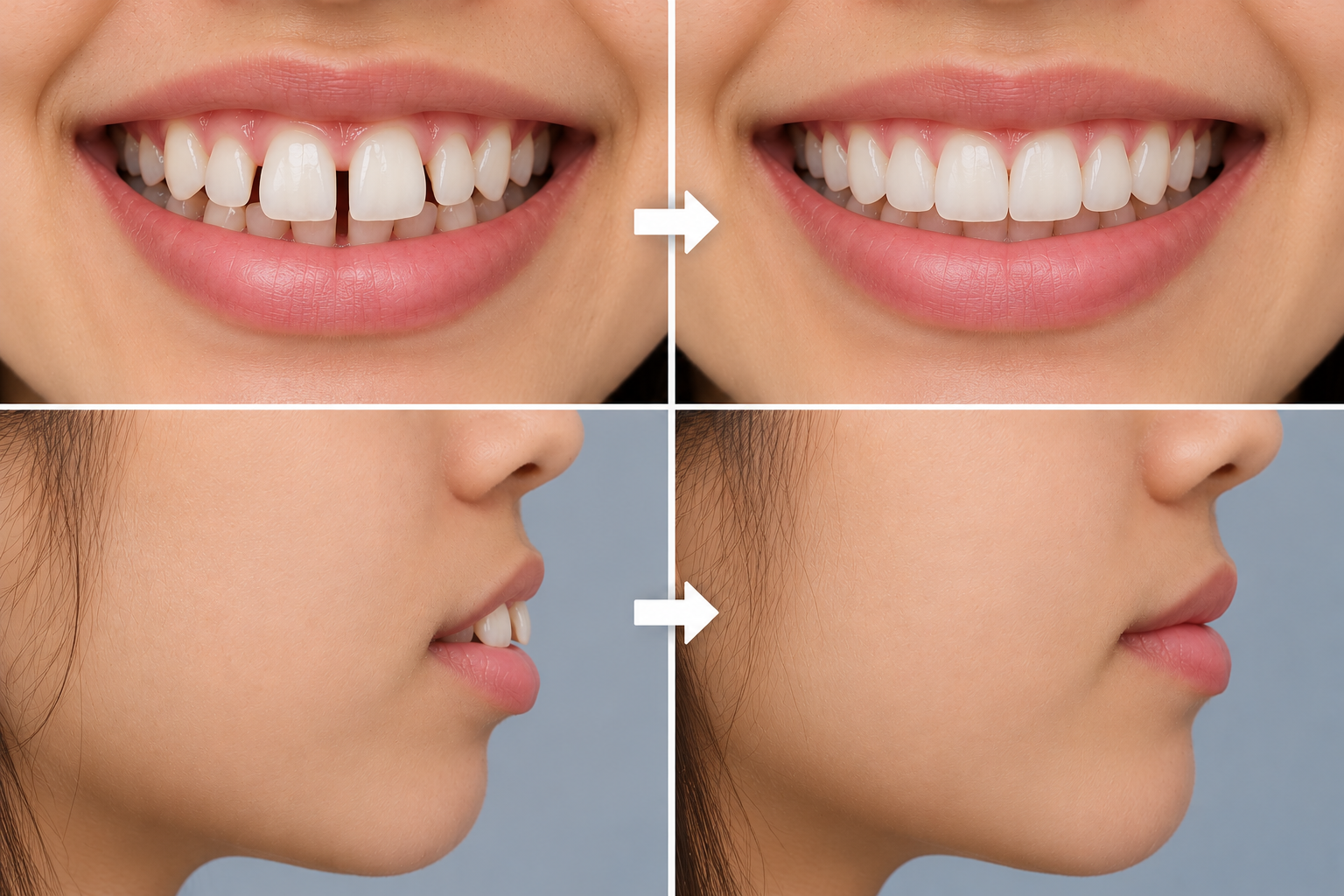
Gaps can occur anywhere in the mouth, most commonly between the upper front teeth. They often happen when there is a mismatch between jaw size and tooth size, leaving extra space.
Factors like missing teeth, oversized labial frenum (the tissue inside your upper lip), or oral habits can also contribute. Only an individual examination can determine the exact cause for your smile.
We start by understanding your needs. Your dental professional will explain the findings and help you decide what to do next.
Talk through your concerns and goals, then have your teeth and spacing assessed. Imaging may be recommended when clinically appropriate.
Your clinician will explain the available approaches, expected commitments, and any limitations based on your individual assessment.
If treatment is suitable, you will receive guidance on how to follow the plan and when to return for progress reviews.
Have a question about your own teeth or bite? Book an assessment for guidance specific to you.